Chapter IV / Out into the city
A Visitor’s Itinerary
Choose your hall for the kind of room you want to encounter. Let the meal follow from that choice, rather than expecting every market to offer the same experience.
The best market-hall visit begins outside. Notice how the building meets its neighbourhood: whether it faces a waterfront, a commercial street, a transport route or a civic square. These relationships helped determine how goods and customers arrived. They still shape the experience of entering today. A meal becomes more revealing when it is part of a short urban walk rather than an isolated stop beneath a famous roof.
Choose the experience first
Decide whether you are looking for active food shopping, a broad choice of prepared dishes, a seated restaurant meal or an architectural visit with something small to eat. A hall may offer several of these, but not always at the same time. If you are interested in working-market life, check trader opening information separately from restaurant hours. If conversation is central to the meal, investigate quieter seating rather than assuming a shared hall will be restful.
Scale matters too. Budapest’s Great Market Hall offers a different spatial experience from Helsinki’s Old Market Hall. Florence’s Mercato Centrale needs to be read through its different uses and levels. Porto’s Bolhão rewards attention to its open central space and trading edges. None is a universal best choice. Select the relationship between architecture and activity that most interests you.
| Hall | Look for | Before dining |
|---|---|---|
| Old Market Hall, Helsinki | Waterfront context and intimate stall fronts. | Check individual traders and seating arrangements. |
| Mercado do Bolhão, Porto | Restored fabric around an open central space. | Distinguish market trading from restaurant service. |
| Mercato Centrale, Florence | Engineered market architecture and layered uses. | Check which level and operator you intend to visit. |
| Östermalms Saluhall, Stockholm | Brick envelope, stalls and renewed interiors. | Confirm restaurant reservations directly. |
| Mercado da Ribeira, Lisbon | The relationship of an older market to shared dining. | Check the dining operation separately from the market. |
Check what can change
Use the hall’s official website and the restaurant’s own contact details shortly before travelling. Opening hours, seasonal closures, private events and renovation works can affect access. Do not infer that an entire hall is open because one business accepts a booking. Equally, an open public entrance does not mean every restaurant or upper level is operating. Keep a second dining option nearby if your visit depends on a particular counter.
For access needs, describe your route and requirements specifically. Ask about step-free entry, lifts where relevant, toilet facilities, the height of ordering counters and whether staff can assist with trays. Published photographs rarely show the entire journey. If noise or crowding is difficult, ask whether there is a calmer period or a quieter seating area, while recognising that conditions can vary from day to day.
Walk once before ordering
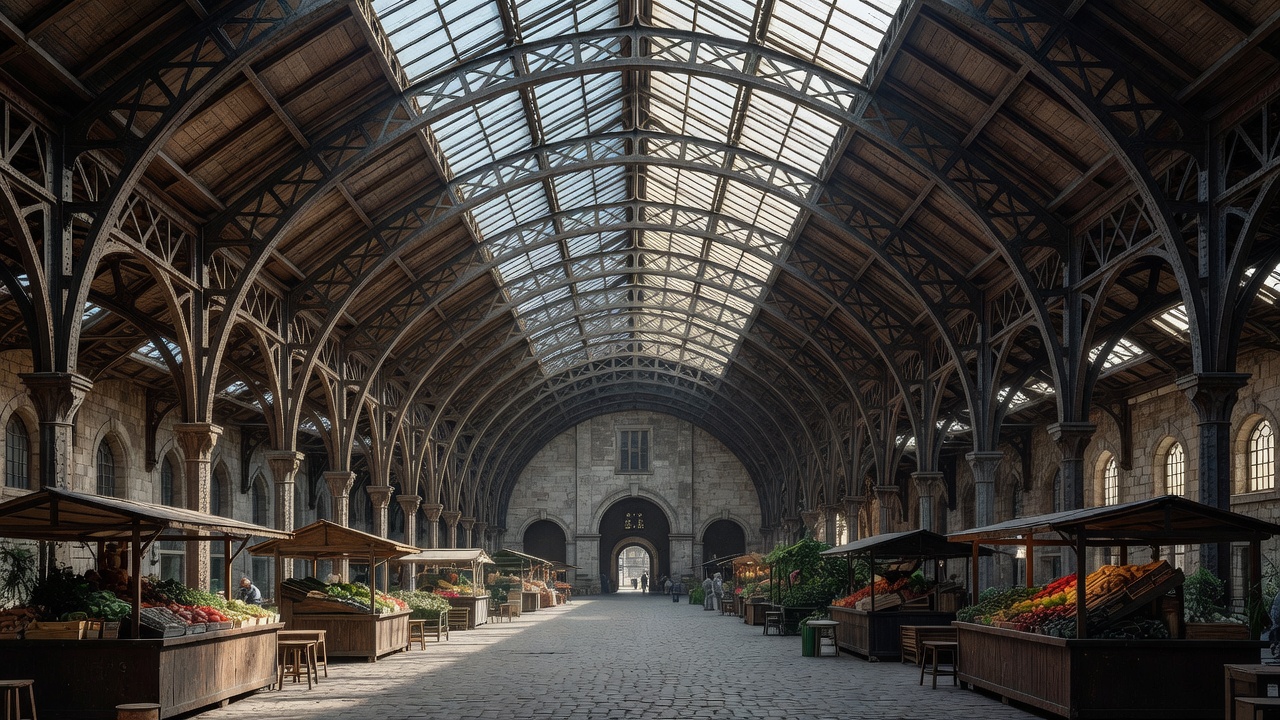
Make a first circuit without buying anything. Locate entrances, toilets and seating; see which aisles are shared with shoppers; identify where queues form. Then look above the stall signs. Follow the columns into the roof and notice where daylight enters. This short pause makes it easier to distinguish original structure from later fittings and to choose a place where you will enjoy spending time.
A second circuit can be more personal. Notice whether a trader offers a small prepared dish, whether a restaurant overlooks active retail stalls, or whether the best view of the roof is away from the busiest counter. Ask permission before photographing staff or close-up displays. Avoid blocking transactions for a photograph. The hall is someone’s workplace even when it is also your destination.
Make the meal practical
Read the menu and ask how service works before settling in. Find out whether you order at a counter, wait to be seated or collect food yourself. In a shared dining area, different kitchens may prepare dishes at different speeds. Agree a meeting point with your group and keep circulation clear. Do not assume that a table belonging to one restaurant is available for food bought elsewhere.
Discuss allergies directly with the business preparing your meal, including questions about shared equipment and cross-contact. Confirm prices and payment methods at the point of purchase rather than relying on an older guide. We deliberately do not publish a fixed meal budget or live availability: both can change quickly, and a historic setting does not indicate a particular price level.
Leave with more than a photograph
After eating, make one final observation. Has the room become quieter as traders close? Does evening lighting reveal the trusses differently? Are people passing through without buying, or is every useful seat attached to a purchase? These details help describe how public the hall remains. They are more informative than a simple verdict that a place is authentic or touristy.
If you notice an error in our historical account, send a correction with a reliable source through the correspondence tool. For a lost item, reservation or complaint about service, contact the operator directly. Our role is to help visitors read the place thoughtfully. The continuing life of the market belongs to the people who work, shop and meet beneath its roof.